Cat in Home Embroidery Review for Craft Fairs
As an experienced embroidery designer preparing my booth for the upcoming weekend craft fair, I am constantly evaluating digital assets to determine their potential as physical craft fair products. Today, I am reviewing a specific design titled Cat in Home. The product description promises elegance and detailed execution, suggesting it is suitable for hoop embroidery, t-shirts, tote bags, cushions, and table linens. My goal is to determine if this machine embroidery design will stand out on a crowded vendor table or if it requires significant adjustments before becoming a viable handmade product.
First Impressions and Visual Appeal
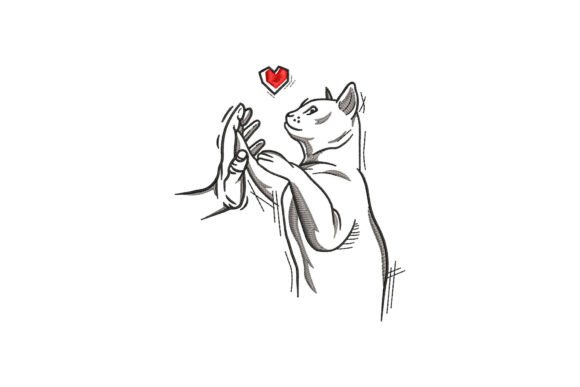
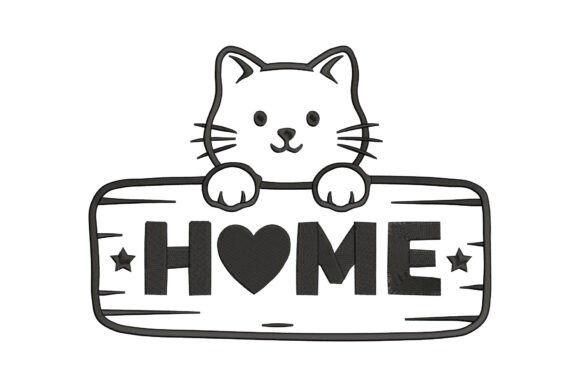
The title Cat in Home immediately evokes a sense of warmth, comfort, and domestic charm. For a Etsy seller or boutique maker, this suggests a farmhouse or modern rustic aesthetic that resonates deeply with customers looking for cozy, giftable items. When I visualize the finished piece, the word "elegance" in the description implies that the design likely features refined lines rather than a cartoonish or overly busy style. This makes it versatile enough to appeal to a broad demographic at a market.
In a real-world display scenario, this design has the potential to be a focal point. Unlike generic patterns, a well-executed cat motif creates an emotional connection. It feels premium yet accessible. If the stitching quality is high, the embroidery file will translate beautifully into a finished product that looks expensive but remains affordable for the average shopper. The mood is inviting, perfect for attracting attention from passersby who are drawn to home decor and pet lovers alike.
Product Versatility and Market Potential
The true value of Cat in Home lies in its adaptability across various merchandise categories. As a designer planning a booth display, I would prioritize items where the design can shine without being lost in texture or scale.
- Tote Bags: A tote bag design featuring this pattern is a top contender. The flat canvas surface allows the stitch density to be clearly visible. Customers love practical gifts, and a stylish tote with a cute cat theme is a staple for any handmade shop.
- Aprons and Kitchen Towels: For the culinary enthusiast, apron embroidery and tea towel embroidery offer excellent opportunities. The design could serve as a charming accent on the chest of an apron or a central feature on a linen tea towel. The contrast between the fabric texture and the smooth stitches often adds a tactile element that buyers appreciate.
- Patches and Caps: Converting this into an embroidered patch or placing it on a curved cap surface requires careful consideration of the curvature. While possible, small details might get lost on a hat brim. However, a patch sewn onto a denim jacket or a simple pouch would look fantastic.
- Home Decor: Cushions and pillow covers allow for larger designs. Here, the "elegant" aspect of the description can really take center stage. These items often command a higher price point due to the labor involved in finishing.
For digital sellers creating printable mockups, this design offers strong visual assets. It works well in lifestyle photography, showing the item in a cozy living room setting, which increases conversion rates for online listings.
Production Practicality and Sales Strategy
When evaluating Cat in Home for batch production, I need to consider how easy it is to understand at a glance. A successful small shop product must communicate its charm instantly. If the design relies on tiny details that blur when stitched quickly, it may not be ideal for high-volume production runs.
I would test the design to see if it functions best as a small accent or a large focal design. If it is too intricate for a small size, I would recommend using it primarily on larger items like pillows or large tote bags. Conversely, if it scales down well, it becomes a powerful tool for creating gift sets, such as a matching set of a mug, a coaster, and a small pouch.
Photography is crucial for commercial embroidery success. The design must photograph well against different backgrounds. A clean, elegant cat motif usually photographs beautifully, offering good contrast and depth. This ensures that your digital embroidery file translates effectively into compelling images for your online store.
Critical Considerations for Quality Control
Before turning this design into a revenue stream, there are several technical aspects that require careful attention. Not all fabrics behave the same way under the needle.
Fabric Texture and Stability: Working with textured towels or thick denim can sometimes obscure fine details. I always advise testing on scrap fabric first. If the stitch density is too high, the fabric may pucker, ruining the elegant look. Conversely, if the density is too low, the design may look sparse on a dark background.
Thread Colors and Contrast: The choice of thread colors is paramount. On dark fabric, light threads might not show up unless a heavy underlay is used. On white fabric, pastel threads might lack definition. I recommend creating at least one real mockup to check the color palette against the actual material you intend to sell.
Hoop Size and Spacing: Confirming the hoop size is essential. If the design is intended for a small 4x4 hoop, ensure the details remain crisp. If it is meant for a larger frame, verify that the spacing allows for proper stabilization. Using the right stabilizer is non-negotiable; without it, even the best design will warp during the sewing process.
Small Details and Lettering: If the design includes text, ensure it is legible. Tiny lettering often gets lost in the stitching process, especially on curved surfaces like caps. If clarity is a concern, consider simplifying the text or enlarging the design area.
Designer Notes for Success
To maximize the selling potential of Cat in Home, follow these professional steps. First, inspect the stitch density closely. High-density areas can cause issues on lightweight fabrics, while low-density areas might look unfinished on heavy materials. Second, create a variety of design assets by experimenting with different fabric colors to find the most striking combination.
Always confirm commercial licensing before selling finished products. Ensure you have the rights to use the Cat in Home design for manufacturing and resale. This protects your business and ensures ethical practices within the embroidery community.
Finally, focus on brand consistency. Whether you are selling market bags or handmade gifts, the quality of the embroidery should reflect your brand's promise of excellence. By carefully selecting the right products and paying attention to technical details, Cat in Home can become a standout item that drives engagement and sales at your next craft fair.