Ladybug on Dandelion Review for Craft Fairs
As an experienced embroidery designer preparing for a busy weekend at the local craft fair, I constantly evaluate new machine embroidery designs to see if they have what it takes to turn browsers into buyers. Today, I am reviewing a specific entry in the Bugs category titled Ladybug on Dandelion. At first glance, this design screams "springtime charm" and fits perfectly with the rustic yet modern aesthetic that handmade shop owners are craving. But does it actually sell? In my experience, the difference between a design that sits in a hoop and one that fills a booth inventory comes down to practical application, visual clarity, and how well it translates from a digital file to a physical handmade product.
First Impressions and Market Appeal
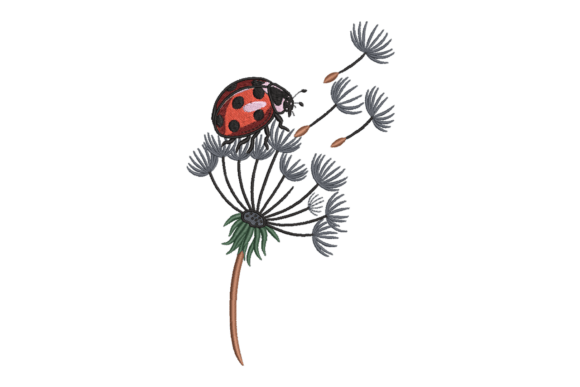
The title Ladybug on Dandelion immediately suggests a soft, nature-inspired theme. For customers walking through a craft fair, this design feels approachable, cute, and distinctly farmhouse. It is not overly aggressive or dark; instead, it offers a sense of whimsy that appeals to parents, gardeners, and anyone who loves small, delicate details. When you place this design on a display table, it stands out as a focal point because of its natural subject matter. It bridges the gap between a simple accent piece and a decorative statement.
This design works exceptionally well for Etsy sellers looking to refresh their listings with seasonal items. The imagery is universally loved, making it a safe bet for a wide audience. Whether you are targeting boutique makers or creative entrepreneurs, the combination of a red ladybug against the airy texture of a dandelion creates a high-contrast visual that photographs beautifully. This is crucial for online marketing, where the thumbnail image needs to grab attention instantly. The design feels premium enough to justify a higher price point while remaining accessible enough for impulse buys.
Product Performance Across Categories
When planning my booth display, I consider which products will showcase Ladybug on Dandelion best. Based on my analysis of current market trends, here is how this design performs across various categories:
- Tote Bag Design: A large tote bag is often the hero item at any craft fair. Placing Ladybug on Dandelion on a canvas tote allows the design to breathe. The sturdy fabric supports the stitch density well, and the design serves as a perfect center-piece graphic that draws the eye immediately.
- Apron Embroidery: For the home cook or gardener, an apron featuring this bug motif is a top seller. The design fits nicely on the bib area, adding a touch of personality without overwhelming the garment. It signals that the wearer appreciates nature and handmade quality.
- Tea Towel Embroidery: Kitchen textiles are always popular. This design adds a cheerful pop of color to a neutral kitchen towel. It works well as a single motif or repeated in a border pattern, creating a cohesive look for gift sets.
- Embroidered Patch: If you are selling patches, this design is ideal. The clear outlines of the ladybug and dandelion make for a clean cut-out shape. Patches are excellent for upselling, allowing customers to add a custom touch to hats or jackets.
- Cap Embroidery: On curved cap surfaces, smaller versions of this design can work, but care must be taken with the curvature. The dandelion seeds might get lost if the design is too tall for a standard 5x7 hoop on a hat.
- Pillow Covers and Fabric Pouches: These items benefit from the softness of the design. A pillow cover with this motif creates a cozy, inviting atmosphere, while a small pouch makes for a delightful gift item for children or craft enthusiasts.
Production Practicality and Visual Clarity
For a commercial embroidery business, efficiency is key. I need to know if Ladybug on Dandelion is easy to produce in batches. From a production standpoint, the design appears to have a balanced stitch count. It is not so dense that it requires hours of machine time, nor is it so sparse that it looks unfinished. This balance ensures that your labor costs remain manageable while maintaining a high-quality finish.
Photographing this design for printable mockups and Etsy listings should be straightforward. The contrast between the bright red of the ladybug and the likely green or yellow tones of the dandelion will translate well on camera. However, when photographing finished products, ensure your lighting highlights the texture of the thread. Customers buying small shop products want to see the quality of the stitching up close. The design's clarity at a glance means that even from a distance, a customer can identify the subject matter, which is vital for quick decision-making in a busy booth environment.
One critical factor for batch production is repeatability. Does the design feel consistent across different fabrics? Yes, provided you use the correct stabilizer. The design should hold its shape on both light and medium-weight fabrics, making it versatile for various inventory types.
Careful Use Notes and Potential Pitfalls
While this design has strong potential, there are specific areas where a designer must exercise caution. First, check the stitch density in the ladybug spots. If the stitches are too packed, the fabric may pucker, especially on thinner materials like tea towels or lightweight cotton. Always test on scrap fabric before committing to your final inventory.
Secondly, pay attention to tiny details. If the dandelion seeds are rendered very small, they might disappear on certain backgrounds or lose definition when embroidered on textured fabrics. Thick fabric textures, such as heavy denim or boucle, can sometimes swallow fine details. Similarly, dark fabrics require careful consideration of thread colors; you may need to adjust the underlay or thread choice to ensure the design pops against the background.
Another common issue arises with hoop size limitations. If you plan to shrink the design for smaller items like caps or small pouches, verify that the minimum dimensions still retain the integrity of the image. Designs that lose clarity at smaller sizes can look muddy and unprofessional. Always compare the original file against your intended output size to ensure the embroidery file remains sharp.
Designer’s Checklist for Success
Before turning Ladybug on Dandelion into a full line of craft fair products, follow these essential steps to ensure professional results:
- Test on Scrap Fabric: Never skip this step. Run the design on the same fabric type you intend to sell to check for puckering or tension issues.
- Check Thread Contrast: Ensure the thread colors selected provide enough contrast against your chosen fabric. A dull color palette can ruin a charming design.
- Review Spacing and Hoop Size: Confirm that your machine can handle the design within your available hoop space without needing excessive re-hooping.
- Inspect Stitch Density: Look closely at the finished sample. Are the stitches tight and even, or are there gaps? High density can lead to fabric distortion.
- Use the Right Stabilizer: Match your stabilizer (cut-away, tear-away, or sticky) to the fabric weight. This is the secret to a crisp, professional finish.
- Create Real Mockups: Do not rely solely on digital renders. Create at least one real mockup to show customers the true texture and depth of the work.
- Compare Fabric Colors: Test the design on multiple fabric shades to see which ones make the Ladybug on Dandelion stand out the most.
- Confirm Commercial Licensing: Before selling any finished products, double-check your licensing agreement. Ensure you have the right to sell items made with this digital embroidery file.
Ultimately, Ladybug on Dandelion is a strong contender for any artisan looking to expand their collection. It captures the essence of spring and nature, offering a versatile option for market bags, handmade gifts, and booth samples. By following proper production protocols and understanding the nuances of fabric and thread, you can create a standout collection that resonates with customers. Whether you are a seasoned Etsy seller or a newcomer to the world of design assets, this design offers a solid foundation for building a brand that values creativity and quality.