Beautiful Parrot: A Designer's Real-World Review
When I first opened the file for Beautiful Parrot, my initial reaction wasn't about stitch counts or file formats. It was about the mood. There is a specific energy in an embroidery design that tells you exactly where it belongs on a garment or home good. This design feels like a breath of fresh air—a subtle touch of charm that doesn't scream for attention but rather invites the viewer to lean in closer. As someone who has spent years evaluating digital assets for both personal hobby projects and commercial client work, I look for designs that balance visual personality with technical feasibility. Beautiful Parrot hits that sweet spot.
The theme falls squarely into the Birds category, yet it avoids the cliché of generic bird silhouettes often seen in mass-produced items. Instead, it offers a distinct visual personality that suggests creativity and playfulness. The layout feels balanced, making it versatile enough for various applications without feeling cramped or overly sparse. Whether you are an Etsy seller looking to expand your boutique product line or a crafter preparing a personalized gift, this design has the potential to elevate the perceived value of your finished product.
From Screen to Stitch: The First Impression
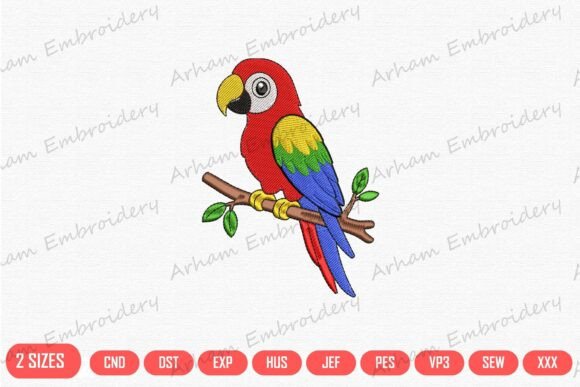
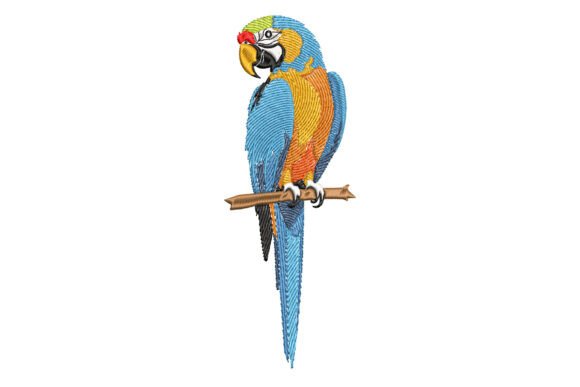
Visual appeal is the first hurdle any designer must clear. When I reviewed the preview mockups of Beautiful Parrot, the shapes appeared clean and the lines were defined. The design creates a sense of whimsy that works exceptionally well for nursery decor, baby clothes, or even a fun accent on a tote bag design. It isn't just a graphic; it carries a weight of craftsmanship that suggests quality.
In the context of embroidery files, the detail level seems appropriate for standard machine embroidery. It likely utilizes a mix of satin stitches for outlines and fill stitches for the body, which typically results in a durable and textured finish. For those who appreciate the nuance of thread colors, this design offers a canvas where color choices can truly make or break the final aesthetic. A vibrant palette could make it pop on a neutral background, while a monochromatic approach might lend itself beautifully to a sophisticated pillow cover or kitchen towel.
Real-World Application: The Custom Tote Bag Scenario
To truly understand how a design performs, you have to imagine it in action. Let's say I am prepping for a local craft fair and need to create a set of custom embroidered tote bags as a signature item for my small shop. I need something that looks professional, appeals to a broad audience, and stands out on a table full of other handmade goods.
I would choose Beautiful Parrot for this project. The design's size and shape fit perfectly on the front pocket or the center panel of a canvas tote. Unlike complex, dense patterns that can look muddy on thin fabric, this design maintains its clarity. When stitched onto natural cotton canvas, the parrot becomes a focal point without overwhelming the utility of the bag. Customers walking through the market would see a polished, intentional look that builds trust in my brand consistency. It transforms a simple canvas bag into a statement piece, increasing the likelihood of a sale.
This same logic applies to sweatshirt embroidery. Imagine a cozy fleece pullover featuring this design. The soft texture of the fabric contrasts nicely with the sheen of the embroidery threads, creating a tactile experience that buyers love. It works equally well as a holiday gift, adding a festive yet unique twist to a winter accessory. The design's charm makes it highly giftable, which is a crucial factor for anyone selling seasonal merchandise.
Navigating Technical Challenges and Limitations
While Beautiful Parrot is promising, no design is universally perfect for every scenario. As an experienced reviewer, I must point out where caution is necessary. If you plan to use this design on a cap or hat, you need to be mindful of the curved surface. While the design might look great flat, the curvature of a baseball cap can distort certain elements if the hoop size isn't managed correctly. Always test the design on scrap fabric before committing to your final product.
Textured fabrics present another challenge. If you are working with heavy terry cloth towels or thick denim, the density of the stitches might cause the fabric to pucker if the stabilizer isn't chosen carefully. Conversely, on thin or stretchy fabrics like jersey knits, the tension required for a clean satin stitch could cause the material to warp. In these cases, using a proper cut-away stabilizer is non-negotiable to maintain the integrity of the design.
Small hoop sizes are also a consideration. If you attempt to stitch this on a very small patch or a tiny baby bib, the details might get lost or become too crowded. It is essential to check the dimensions of the design against your intended production area. Additionally, dark fabrics require high-quality underlay and potentially a different thread choice to ensure the design pops. Without the right contrast, the charm of the parrot could be muted, reducing the overall impact of the finished product.
Practical Notes for the Embroidery Designer
Before you hit the start button on your machine, there are several steps every professional should take to ensure success. First and foremost, always test the design on a scrap piece of the exact fabric you intend to use. This allows you to gauge the stitch density and see how the threads interact with the material grain.
Reviewing the stitch types is also vital. If the design relies heavily on running stitches for fine details, ensure your machine can handle them cleanly. Dense stitch areas can sometimes lead to thread breaks or needle deflection if not stabilized properly. I also recommend inspecting small details in black and white mockups to see if the contrast holds up without relying on color to carry the design.
If you are planning to sell finished items, confirm the licensing terms immediately. Not all digital embroidery files allow for commercial use. You need to verify whether you can sell the physical products made from this design or if you are restricted to personal use only. Ignoring this step can lead to legal issues down the road.
Elevating Your Craft Business
For Etsy sellers and creative entrepreneurs, the choice of design assets is a direct reflection of your brand's professionalism. Using a well-executed design like Beautiful Parrot signals to your customers that you care about quality. It enhances the visual appeal of your listings and helps your products stand out in a crowded marketplace. When a customer sees a clean, well-stitched parrot on a pillow cover or apron, they perceive higher value and are more willing to pay a premium price.
This design also fits seamlessly into the trend of personalized gifts. Adding a name or a date alongside the parrot motif can create a unique keepsake that resonates emotionally with the recipient. Whether it is a baby shower gift, a wedding present, or a corporate branded item, the versatility of this embroidery file allows you to adapt it to various needs.
Ultimately, Beautiful Parrot is more than just a digital file; it is a tool for expression. It offers a blend of artistic flair and practical application that serves both hobbyists and business owners well. By understanding its strengths and respecting its limitations, you can incorporate it into your workflow with confidence. From the initial concept to the final wash, this design has the potential to deliver a finished product that delights both the maker and the buyer.
So, if you are ready to add a splash of nature-inspired charm to your next embroidery project, consider giving this design a try. Just remember to prep your materials, test your settings, and let your creativity guide the stitching process. With the right approach, Beautiful Parrot can become a staple in your collection of design assets.