Cotton Candy Cutie: A Designer's Review for Small Business Merch
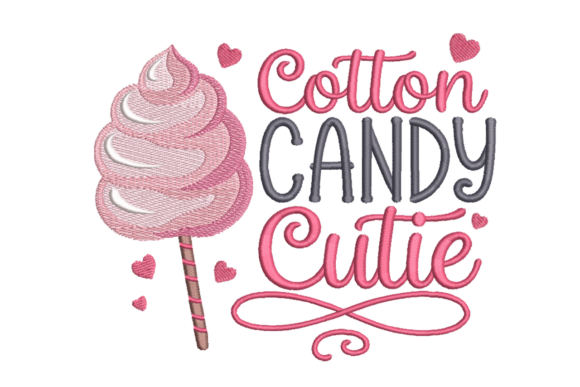
As an experienced embroidery designer who has spent years refining digital files for commercial use, I often get asked about the viability of specific designs for branded merchandise. Today, I am reviewing a design titled Cotton Candy Cutie. At first glance, the title and its classification under the Food category suggest a playful, sweet aesthetic that could be perfect for bakeries, boutiques, or creative studios. However, when moving from a simple visual concept to a tangible embroidered patch or staff uniform, we must look deeper than just the name. This review evaluates how Cotton Candy Cutie performs as a professional asset for small business owners, Etsy sellers, and apparel decorators.
First Impressions: Personality and Brand Alignment
The moment you encounter Cotton Candy Cutie, the design exudes a friendly and whimsical vibe. It feels inherently handmade yet polished enough for retail environments. For brands targeting a younger demographic or those in the confectionery sector, this piece offers a sense of approachability. It does not scream corporate rigidity; instead, it invites customer engagement through a sense of fun and delight. The "Food" category placement suggests it is tailored to evoke taste and nostalgia, making it an excellent candidate for bakery logos, candy shop branding, or dessert-themed events.
In the context of brand identity, this design bridges the gap between premium quality and accessible charm. It works well for businesses that want to project a handmade product image without looking amateurish. Whether applied to a tote bag or a cap, Cotton Candy Cutie signals that the business cares about details and enjoys creating memorable experiences for their customers.
Real-World Applications for Small Business Merch
When considering where to deploy this machine embroidery design, the possibilities are vast for entrepreneurs looking to expand their revenue streams. Here is how Cotton Candy Cutie can transform into a functional business tool:
- Custom Apparel and Staff Uniforms: Imagine a team of baristas or boutique clerks wearing aprons embroidered with this design. It adds a pop of personality to work shirts, turning standard uniforms into brand ambassadors. The playful nature of the design makes staff feel more connected to the whimsical atmosphere of the shop.
- Branded Patches and Accents: As an embroidered patch, Cotton Candy Cutie serves as a versatile accent on denim jackets, beanies, or backpacks. It acts as a collectible item that customers might buy as a souvenir, increasing the perceived value of your merchandise.
- Tote Bag Design: Tote bags are a staple for crafters and market vendors. Placing Cotton Candy Cutie on a canvas tote creates a practical yet stylish shopping accessory that reinforces brand recognition every time a customer walks down the street.
- Cap Embroidery: For a classic look, this design fits beautifully on the front panel of baseball caps. It offers a modern twist on traditional headwear, appealing to fashion-conscious buyers who appreciate unique, small-batch items.
- Product Packaging and Labels: Beyond clothing, this digital embroidery file can be used on fabric tags sewn into packaging. It elevates the unboxing experience, showing attention to detail that fosters customer trust and loyalty.
Navigating Technical Challenges and Limitations
While the potential is high, a professional designer knows that execution is everything. There are specific scenarios where Cotton Candy Cutie requires careful consideration before production begins. If the design features intricate outlines or tiny lettering, scaling it down for a small patch size might result in a loss of definition. The thread colors must be chosen carefully to ensure they stand out against the background fabric, especially if you are working with dark uniforms where contrast is critical.
Stitch density is another crucial factor. High stitch counts can make a design stiff and difficult to embroider on textured fabrics like heavy canvas or fleece. If the design is intended for a curved surface, such as a cap front, the hoop size and digitization must account for the curvature to prevent puckering. Furthermore, items that require frequent washing, such as chef aprons or work shirts, need a design that is robust enough to withstand abrasion without losing its shape. Always test the finished product on the actual material to ensure durability.
Impact on Brand Identity and Customer Perception
Using Cotton Candy Cutie strategically can significantly influence how your audience perceives your brand. In the competitive landscape of small business merch, visual consistency is key. When customers see a cohesive look across your aprons, caps, and tote bags, it builds professionalism and trust. A well-executed commercial embroidery project signals that you are established and reliable.
The playful nature of this design also enhances buyer engagement. It creates an emotional connection, making your brand feel relatable and fun. For a local business, this can be the difference between being seen as just another vendor and becoming a beloved community staple. By integrating Cotton Candy Cutie into your brand identity, you create a distinct visual language that separates you from competitors using generic templates.
Essential Notes for the Embroidery Professional
Before adding Cotton Candy Cutie to your production line, follow these practical steps to ensure success:
- Test in Black and White: Convert the design to grayscale first to check the balance of stitches and spacing. This helps identify areas that might become too dense or too sparse.
- Check Patch Size Viability: Ensure the design retains clarity at the smallest size you intend to produce. If details disappear, simplify the file.
- Review Thread Color Contrast: Select threads that offer high visibility against your target fabric. Avoid colors that blend too closely with the material.
- Inspect Spacing and Hoop Size: Confirm that the design fits within your machine's hoop limits and allows for proper edge-to-edge alignment.
- Test on Real Fabric: Never assume a design will work perfectly on paper. Stitch it on the actual fabric texture you plan to use to check for stability and appearance.
- Use Proper Stabilizer: Match the stabilizer type to the weight of the fabric to prevent distortion during the stitching process.
- Create a Printable Mockup: Before committing to bulk production, generate a mockup for client approval to visualize the final result.
- Confirm Commercial Licensing: Verify that you have the rights to use this design asset for commercial purposes to avoid legal issues.
By following these guidelines, you can leverage Cotton Candy Cutie to create high-quality small business merch that stands out. Whether you are designing for a café, a boutique, or a creative studio, this design offers a delightful way to connect with your audience through the art of embroidery.