Peeking Sheep: A Designer's Review for Craft Fairs
When I first opened the Peeking Sheep file on my screen, I immediately thought about how it would look on a crowded craft fair table. As an experienced embroidery designer, I spend most of my time judging designs not just by their stitch count, but by their ability to stop a passerby in their tracks. This design falls squarely into the category of subtle charm. It is not loud or aggressive; instead, it offers a soft, inviting aesthetic that fits perfectly with the farmhouse and rustic trends dominating handmade markets right now.
The description mentions adding a "subtle touch of charm," and I agree completely. For a booth display, subtlety can be a superpower. While bold graphics grab attention from across the room, Peeking Sheep invites customers to lean in closer to inspect the details. It feels premium yet approachable, making it an ideal candidate for creating high-quality finished products that justify a higher price point at your weekend market.
Visual Appeal and First Impressions
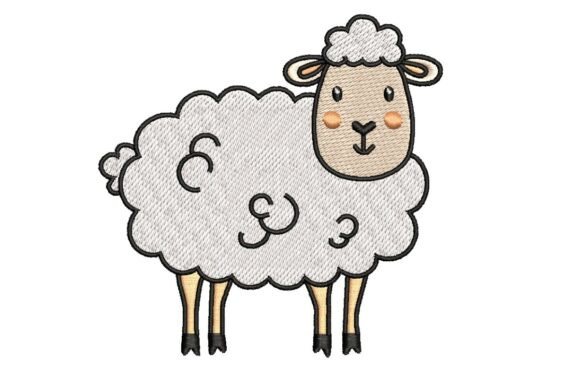
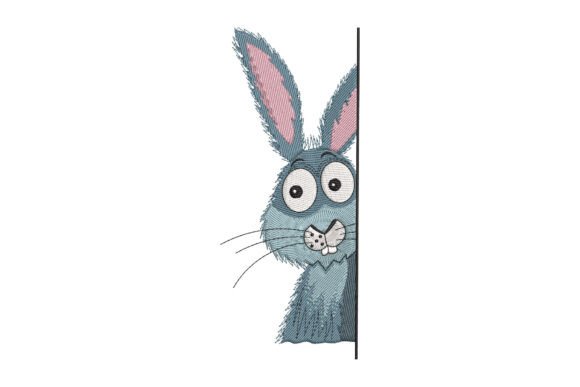
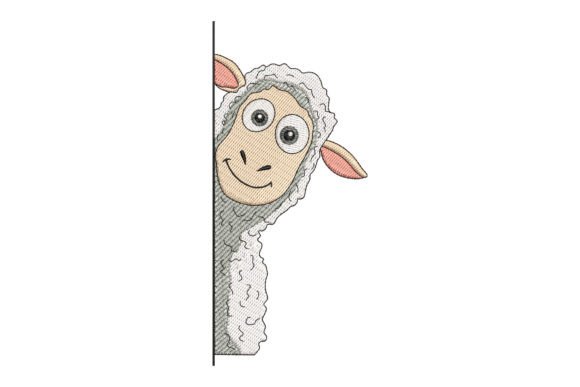
In the world of Farm Animals embroidery, there is often a divide between the cartoonish and the elegant. Peeking Sheep seems to walk a fine line between cute and sophisticated. When I imagine this design stitched onto various surfaces, I see a strong potential for visual appeal. The concept of a sheep "peeking" implies movement and personality, which adds a narrative element to the product that buyers love.
For digital sellers and Etsy shop owners, this character works exceptionally well as a focal point. It suggests a playful mood without overwhelming the fabric texture. Whether you are using it on a light linen tote bag or a dark denim apron, the design promises to enhance the perceived value of the item. It feels like a design that tells a story of countryside living, making it perfect for brands that want to project a cozy, artisanal image.
Product Versatility: From Totes to Tea Towels
One of the most critical factors for any crafter preparing for a busy season is versatility. Can this embroidery file work across multiple product lines? My assessment of Peeking Sheep is overwhelmingly positive regarding its adaptability.
- Tote Bag Design: This is where the design shines brightest. Stitched on a canvas tote, the sheep acts as a delightful accent near the handle or centered on the front panel. It transforms a plain utility bag into a charming accessory that people actually want to carry around town.
- Apron Embroidery: For kitchen-focused vendors, placing Peeking Sheep on the bib of an apron adds a whimsical touch to cooking gear. It appeals to home cooks who appreciate farm-to-table aesthetics.
- Tea Towel Embroidery: Kitchen towels are a staple at craft fairs. This design is small enough to fit neatly in the corner of a towel or centered along the hem, offering a decorative element that doesn't interfere with the towel's function.
- Caps and Patches: If you offer custom headwear, this design works well as a curved cap logo or a sew-on embroidered patch. Its rounded shape likely follows the curve of a hat brim nicely.
- Pillow Covers and Home Goods: The prompt mentions pillows specifically, and I concur. A small cluster of these peeking sheep on a throw pillow creates a cohesive look for nursery or cottage-style decor.
Production Practicality and Batch Efficiency
As a business owner, efficiency is key. You need to know if a design will hold up during batch production without causing headaches. Peeking Sheep appears to be designed with practical stitching in mind. Designs that rely on tiny, isolated details often fail when mass-produced because the thread tension varies or the stabilizer shifts.
If this design uses moderate stitch density, it will run smoothly through your machine, allowing you to produce a stack of identical items quickly. This repeatability is essential for creating inventory before a big holiday market. Furthermore, the design photographs beautifully for online listings. When you create a printable mockup for your Etsy seller profile, the clean lines of the sheep will translate well to digital images, ensuring that what the customer sees online matches the physical product.
Strategic Booth Display and Customer Engagement
Imagine setting up your table at a local farmers market. You have rows of folded linens, hanging bags, and stacked goods. Where does Peeking Sheep stand out? It excels as a conversation starter. Customers often ask, "What is that little animal?" when they see a unique character design.
This engagement is crucial for converting browsers into buyers. A simple geometric pattern might catch the eye, but a character with a name and a pose—like a sheep peeking over the edge—creates an emotional connection. It makes the product feel like a gift rather than just a commodity. For handmade product sellers, this emotional hook is often the difference between a $15 sale and a $30 sale.
Additionally, the design supports brand consistency. If you plan to build a line of farm-themed goods, Peeking Sheep serves as a recognizable anchor. It allows you to create a cohesive collection where every item, from a market bag to a small pouch, shares the same visual language.
Important Production Notes and Testing
Before you rush to print 50 aprons, there are several technical considerations every embroidery designer must address. Even the best-looking design can fail if the execution is flawed.
Stitch Density and Small Details: Examine the design closely for dense stitch areas. If the sheep has small ears or intricate wool textures, ensure your machine can handle the density without puckering the fabric. Test the design on scrap fabric first to check how the threads lay down. If the details are too small, they may disappear on thicker fabrics like heavy cotton duck or textured towels.
Fabric Texture and Color: Thread colors are vital. On a dark fabric, you will need bright, contrasting threads to make the sheep pop. On a light fabric, pastel threads might blend in too much. Always compare your thread choices against the actual fabric color before starting a production run. Also, be mindful of the hoop size; if the design is larger than your standard hoop, you may need to re-hoop, which can lead to alignment issues.
Stabilizer Selection: The choice of stabilizer is non-negotiable. For lightweight tees, use a tear-away. For stable items like tote bags or pillows, a cut-away stabilizer is usually better to prevent distortion over time. Never skip the test run on the specific material you intend to sell.
Licensing and Commercial Use: Before selling any finished product, confirm the commercial licensing terms of the digital embroidery file. Some licenses allow you to sell a limited number of units, while others require a separate agreement for unlimited production. Protect your business by reading the fine print.
Final Thoughts for the Creative Entrepreneur
Peeking Sheep represents a smart investment for any maker looking to expand their small shop product line. It balances cuteness with quality, offering a design that feels both modern and timeless. Whether you are a seasoned Etsy seller or a new craft fair vendor, this design provides the visual interest needed to stand out in a competitive marketplace.
By treating it with care—testing your fabrics, checking your stabilizers, and presenting it beautifully—you can turn a simple machine embroidery design into a best-selling item. It is a reminder that sometimes the smallest details make the biggest impact. Get your hoops ready, and let the sheep peek into your next successful sale.