Sweet Woolly Sheep: A Designer's Review for Craft Fairs
As an experienced embroidery designer who spends countless weekends prepping for local craft fairs and seasonal markets, I know that the difference between a design that gathers dust on a shelf and one that sells out in minutes often comes down to three things: visual impact, practical production, and emotional connection. When I first opened the file for Sweet Woolly Sheep, I immediately began evaluating it not just as a digital asset, but as a potential bestseller for my upcoming booth. This review breaks down exactly how this design performs when turned into real-world products like tote bags, aprons, and tea towels.
The First Impression: Gentle Charm Meets Market Appeal
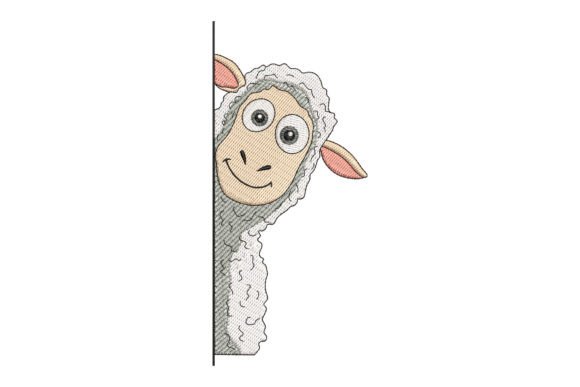
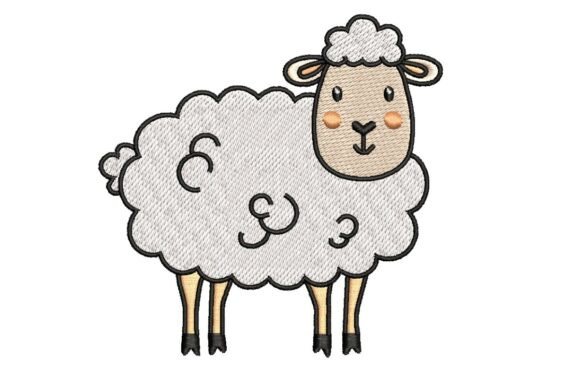
The description of Sweet Woolly Sheep promises "the gentleness of the meadow," and looking at the design, that sentiment is instantly conveyed. The motif features a fluffy white sheep with a soft cream-colored face and rosy blue accents. In the world of handmade goods, this specific color palette is a goldmine. It feels rustic yet modern, soft yet structured. For a craft fair table, you need something that stops a passerby in their tracks from ten feet away. This design strikes a perfect balance; it is bold enough to be seen clearly without being overwhelming, making it ideal for farmhouse-style aesthetics that are currently dominating the market.
When I imagine setting up my display, Sweet Woolly Sheep stands out because it evokes a sense of calm and nostalgia. Customers browsing for unique gifts often gravitate toward designs that tell a story or evoke a feeling. This sheep isn't just an animal; it represents a quiet life in the country. That emotional hook is crucial for converting casual browsers into buyers. Whether you are an Etsy seller listing digital assets or a boutique maker creating physical goods, the "farm animals" category is perennially popular, but few designs capture the essence of the breed as effectively as this one.
Product Potential: Where Sweet Woolly Sheep Shines
To maximize sales, you must match the right design to the right product. Based on my experience producing craft fair products, here is where Sweet Woolly Sheep will perform best:
- Tote Bags and Market Bags: A large-scale application on a canvas tote bag creates a statement piece. The fluffy texture of the wool translates beautifully onto heavy cotton canvas, offering a tactile contrast that customers love to touch.
- Apron Embroidery: This is a top-tier choice for kitchen items. Placing the design centrally on a bib apron or on the pocket of a waist apron makes it a functional work of art. The cream and white tones pop against darker denim or solid-colored fabrics common in kitchens.
- Tea Towel Embroidery: Linen or cotton flour sack towels are a staple for gift sets. The gentle nature of the sheep fits perfectly with the domestic warmth of a kitchen towel. It photographs exceptionally well for online listings, which is vital for Etsy sellers looking to showcase their small shop products.
- Embroidered Patches and Caps: If the design includes clean edges, it can be converted into a high-quality patch. Alternatively, stitching it directly onto a baseball cap adds a cute, whimsical touch that appeals to younger demographics.
- Pillow Covers and Pouches: For smaller items like zippered fabric pouches or throw pillows, this design acts as a focal point. It elevates a simple item into a premium handmade product that justifies a higher price point.
Production Realities and Visual Strategy
From a production standpoint, Sweet Woolly Sheep requires careful consideration of stitch density and thread colors. The "fluffy" look relies heavily on satin stitches or dense fill patterns. If your machine settings are off, the wool could look flat rather than textured. To ensure the finished product looks professional, you must test the design on scrap fabric before running a full batch.
Photography plays a massive role in selling. When creating a printable mockup or taking photos for your booth, ensure the lighting highlights the texture of the embroidery. The rosy blue details mentioned in the description need to be visible even in small thumbnail images on social media. If the design is too small, those delicate details might get lost. Therefore, using this as a medium-to-large focal design is recommended over a tiny accent stitch.
For batch production, consistency is key. Does the design feel repeatable? Yes. The simplicity of the subject matter allows for easy variation in background colors (navy, sage green, or classic cream) while keeping the core identity of Sweet Woolly Sheep intact. This flexibility is essential for commercial embroidery businesses that need to keep their inventory fresh without reinventing the wheel every season.
Critical Considerations for Success
Before you start stitching hundreds of units, there are several technical hurdles to clear. Not all embroidery files are created equal, and understanding the limitations of your equipment is part of the job.
- Stitch Density and Fabric Texture: Dense stitch areas can sometimes cause puckering, especially on thinner fabrics like standard tea towels. Always use the correct stabilizer to support the fabric during stitching. If you are working on textured towels, ensure the design size accommodates the bumps in the weave so the stitches lay flat.
- Hoop Size and Spacing: Confirm the required hoop size for this design. Attempting to fit a large design into a small hoop can result in cut-off imagery or distorted proportions. Ensure your spacing allows for adequate border space around the sheep so the design doesn't feel cramped.
- Thread Contrast: The description mentions a white sheep with a cream face. On a white background, this design might lack definition. To make it sell better, pair it with colored backgrounds like navy, forest green, or charcoal gray. The contrast ensures the "gentleness" of the sheep is visible rather than washed out.
- Small Details: Be cautious if you plan to reduce the size of the design significantly. Tiny details, such as the rosy blue accents, may become indistinct or disappear entirely if scaled down too much. Stick to sizes where the facial features remain crisp.
- Curved Surfaces: If applying this to caps, remember that curved surfaces can distort the image. You may need to adjust the digitization or use a specialized cap frame to maintain the sheep's shape.
Final Thoughts for the Creative Entrepreneur
Sweet Woolly Sheep is more than just a digital download; it is a versatile tool for building a brand. Whether you are a digital seller offering design assets or a hands-on crafter creating unique gifts, this design has the potential to drive significant traffic to your booth or online store. It embodies the qualities that today's consumers crave: authenticity, quality, and a touch of rustic charm.
Remember to always check your commercial licensing terms before selling finished products. Verify the exact stitch count, file format, and recommended hoop size provided by the creator, as these specifications are critical for achieving the desired result. By testing thoroughly, choosing the right fabric, and presenting the final product with care, you can turn this adorable motif into a standout success for your business.
In the competitive world of handmade markets, having a reliable, high-quality machine embroidery design like this one gives you the edge you need. It speaks to the heart of the buyer and showcases the skill of the maker. So, load your hoops, select your threads, and let the Sweet Woolly Sheep bring some meadow magic to your next project.